Picture your morning run tracing the water’s edge, or a quick bike ride to the office with lake views the whole way. If you are considering Chicago’s lakefront, you want the fun and the facts. This guide gives you clear insight on trails and beaches, seasons, housing types, commute choices, and everyday tradeoffs so you can move with confidence. Let’s dive in.
Lakefront access and everyday rules
The Lakefront Trail basics
Chicago’s Lakefront Trail is the corridor’s backbone. It runs roughly from Ardmore Avenue in the north to 71st Street in the south and links major park spaces like Lincoln Park, Grant Park, Burnham Park, and Jackson Park. The Park District outlines the route and the recent separation of bike and pedestrian lanes on its official page for the Lakefront Trail. That separation makes daily runs, rides, and commutes smoother and safer.
Beaches and swim rules
Chicago’s beaches are staffed and managed by the Park District. Swimming is allowed only at designated beaches during the lifeguard season, generally Memorial Day through Labor Day, and only during posted hours. Before you plan a swim, check the Park District’s page for city beaches and swim guidance.
Dogs and designated areas
Most beaches do not allow off-leash dogs. The Park District maintains specific Dog Friendly Areas where off-leash access is permitted with a DFA permit and tag. Montrose and Belmont Harbor are the most recognized lakefront dog areas. Review the Park District’s current list of Dog Friendly Areas and permit rules so you and your pet stay in compliance.
Seasons and daily rhythm
Summer buzz and crowds
Late spring through summer is peak lakefront season. The Lakefront Trail and beaches get lively, and the parks host festivals and events that bring energy and short-term traffic impacts. Expect a social, outdoor feel, especially around North Avenue and Oak Street beaches, Navy Pier, and Grant Park. For context on trail use and popularity, see the overview of the Chicago Lakefront Trail.
Winter on the water
Chicago’s climate spans warm, humid summers and cold, snowy winters, and the lake shapes the feel of both. In summer, lake breezes cool the shoreline on hot days. In winter, winds off the water can intensify the chill and bring quicker weather shifts than you might feel a few blocks inland. A city climate summary on Chicago offers a helpful backdrop as you plan for four-season living.
Year-round comfort tips
- Invest in layered window treatments to handle sun, breeze, and winter drafts.
- Store seasonal gear smartly. Many buildings offer bike rooms or lockers for beach equipment.
- Keep a simple routine for peak days: early beach mornings, midday errands, evening walks when crowds thin.
- For event-heavy weekends near Grant Park, plan alternate routes or ride the CTA.
Housing types and budget patterns
Near north and downtown towers
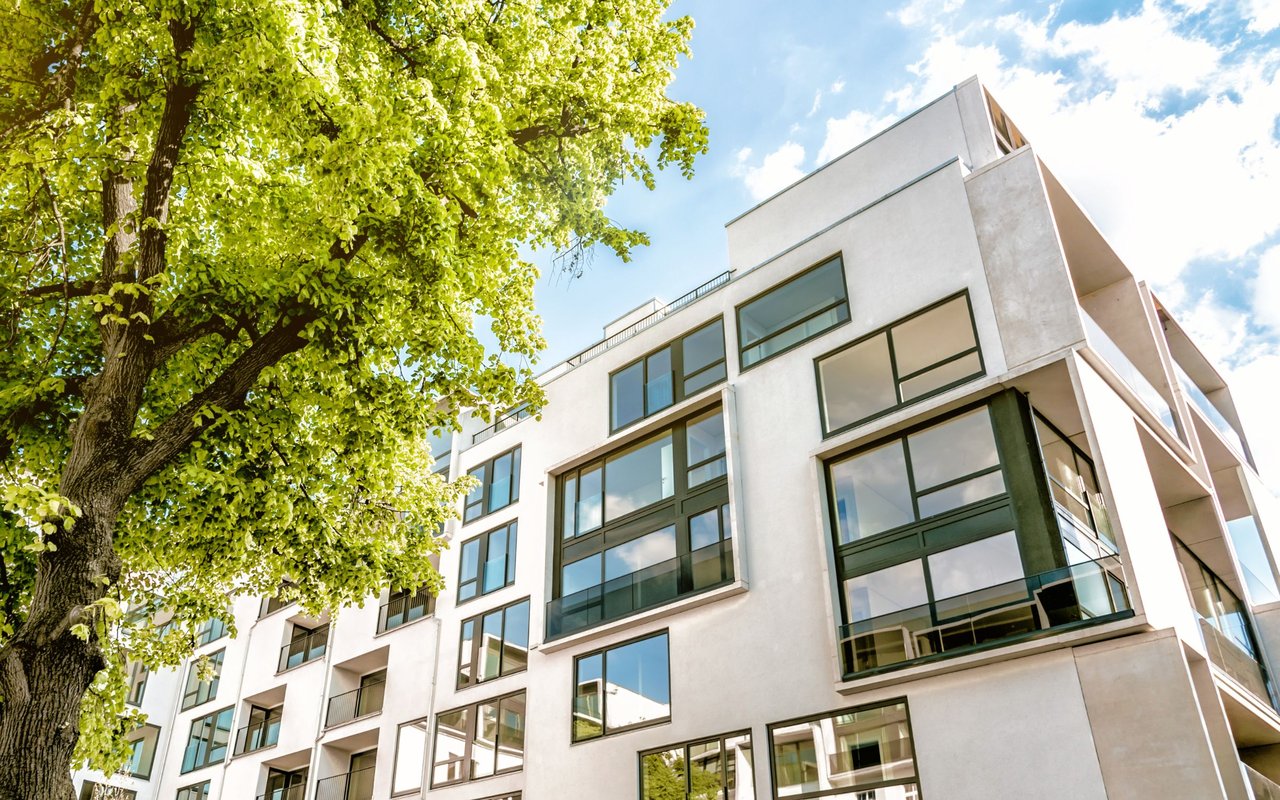
Streeterville, the Gold Coast, and the Near North side are known for vertical living. You will find doorman towers, glassy new construction, and mid-century icons. A classic reference is the Mies van der Rohe towers at 860–880 North Lake Shore Drive, which helped define modern lakefront high-rise living. Expect building amenities like fitness centers, pools, valet, and on-site management.
Lincoln Park and Lakeview mix
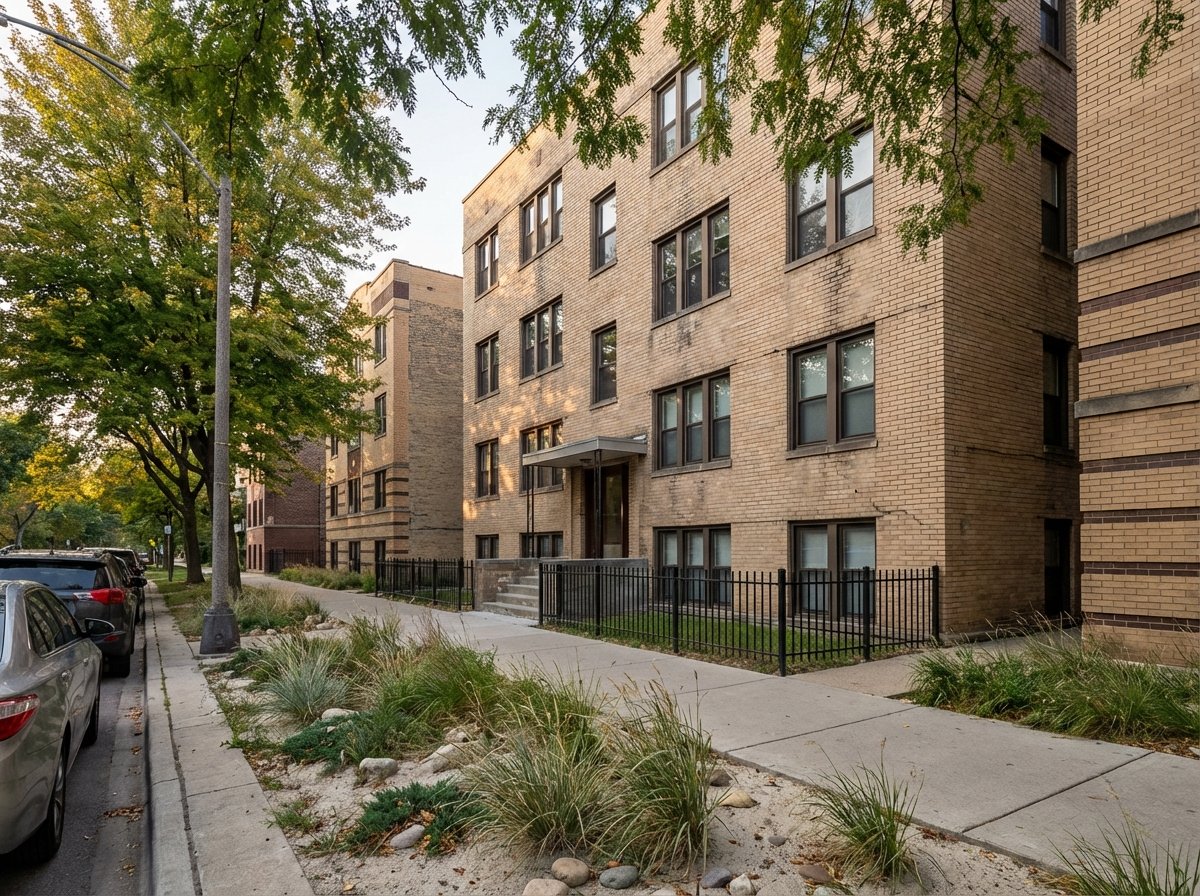
North of downtown, Lincoln Park and Lakeview blend historic greystones and rowhouses with walkups and mid-rise condos. Streets feel more residential, with tree-lined blocks and smaller buildings alongside newer boutique developments. It is still very urban, but you get a broader mix of building scales and styles.
South lakefront value options
South of downtown, neighborhoods like Hyde Park and South Shore offer a wider range of homes, from bungalow-era single-family residences to low-rise apartments and newer mid-rise projects near the University of Chicago and Museum Campus vicinity. On average, prices here are generally lower than the premium north lakefront corridor.
Pricing expectations to set
- Near-north and downtown lakefront neighborhoods often carry a premium for direct water views, amenities, and walkability to the Loop.
- Based on recent vendor snapshots summarized in this research, Streeterville’s median sale prices often land in the high 400s to 500k-plus, while Lincoln Park tends to trend higher, commonly in the mid 600s to around 750k, depending on the data source and timing. South lakefront areas like Hyde Park are typically more affordable than the north corridor. Market figures change quickly, so verify current numbers as you plan your budget.
Commute and mobility tradeoffs
CTA lines and quick Loop access
The lakefront is well served by the CTA network. The Red Line, Brown and Green Line connections on the North Side, and multiple bus routes feed into downtown and cross-town hubs. For station locations and route details, use the official CTA system maps. Many residents pair short CTA rides with walking or biking on the trail for flexible commutes.
Metra Electric advantage on the South Side
If you are near Hyde Park or the Museum Campus, the Metra Electric Line connects directly to Millennium Station downtown, which can be more direct for certain Loop commutes. The South Shore Line also serves the near-south corridor. Check current planning resources, such as regional transit trip tools, for schedules and transfer options before you go.
Walking, biking, and Divvy
The Lakefront Trail is not only recreation. It is a practical route for daily rides and runs. Many north and central lakefront residents use Divvy, the city’s bike-share, or walk for short trips. The Park District’s Trail page outlines how the pedestrian and bike routes are separated, which helps with predictability at busy times.
Driving and parking
Lake Shore Drive offers fast north-south car access, but near-lake neighborhoods have tight street parking. Many buildings use paid garages, and some condos include deeded spaces. If you own a car, factor a monthly parking cost into your budget and confirm guest parking options for weekends and events.
Tradeoffs and risk checks before you buy
Crowds and events
Living close to Grant Park, Oak Street and North Avenue beaches, or Navy Pier brings you right to the action in summer. It also means seasonal crowds, more noise, and occasional road closures during festivals. If you like quieter days, consider a few blocks inland or a building with better sound insulation.
Wind, winter, and building maintenance
Lakefront buildings face wind and temperature swings. When you review disclosures, ask about window seals, façade inspections, and heating systems. It is reasonable to request association records detailing recent repairs, reserve studies, and plans for exterior maintenance.
Flooding and insurance questions
Great Lakes water levels and coastal storms can impact shoreline infrastructure. If a property sits near the immediate shore or has below-grade parking, ask for flood history, engineering reports, and how the HOA insures common areas. Your lender and insurance provider can help you understand optional coverages.
HOA fees and amenity tradeoffs
Amenity-rich towers deliver convenience, but staff, utilities, and reserves show up in monthly assessments. Review the condo association’s financials, reserve study, and meeting minutes. If you plan to rent the unit in the future, confirm leasing rules and any caps.
Pets, permits, and outdoor access
If you have a dog, the proximity to DFAs and dog beaches matters. Confirm leash rules, nearest Dog Friendly Areas, and the Park District’s permit process on the DFA page. Buildings also set their own pet policies, so ask about breed, weight limits, and elevator etiquette.
Policy context that shapes the shoreline
Lakefront protection and public access
Chicago’s lakefront feels like a continuous park system for a reason. The City’s Lake Michigan and Chicago Lakefront Protection framework, administered through the Plan Commission, governs development policies and keeps public access front and center. If you are evaluating a building near the shore or tracking a proposed project, it helps to know why reviews happen at the city level. You can read the policy language in the municipal code for the Lakefront Protection Ordinance.
Quick move planning checklist
- Walk your commute at rush hour and test a bike route on the Lakefront Trail.
- Confirm lifeguard season and posted hours before planning regular swims via the Park District’s beaches page.
- Review HOA financials, reserve study, and meeting minutes for any tower or condo.
- Budget for parking if you own a car and ask about guest options.
- Ask about window upgrades, façade work, and winter maintenance plans.
- If you have a dog, secure a DFA permit and confirm nearby off-leash options.
- Plan storage for bikes, strollers, and beach gear, especially in mid- and high-rises.
- Price the view. Direct lake views often command a premium.
How The NextGEN Group helps
You deserve a move plan that fits your life, not a guess. Our team pairs hyperlocal guidance with tech-enabled tools so you can search, compare, and act quickly across Chicago’s lakefront neighborhoods. We help you weigh the real tradeoffs: building amenities versus HOA fees, event energy versus quieter blocks, and commute options that match your schedule.
From first-time buyers to seasoned movers, you get clear next steps, fast communication, and neighborhood insight grounded in on-the-ground experience. If you are renting first, upsizing, or exploring investment options, we tailor the process and keep it simple.
Ready to explore lakefront homes with a trusted local partner? Connect with The NextGEN Group to map your move.
FAQs
When are Chicago beaches open for swimming?
- Swimming is permitted only at staffed beaches during the lifeguard season, generally Memorial Day through Labor Day, and only during posted hours listed by the Park District.
How long is the Lakefront Trail and how is it used?
- The multi-use trail runs roughly from Ardmore Avenue to 71st Street and connects major parks, with separated bike and pedestrian paths in many stretches to reduce conflicts.
What housing types are common along the lakefront?
- You will find downtown high-rise towers with amenities, mid-rise condos and vintage walkups in Lincoln Park and Lakeview, and a broad mix including single-family homes on the south lakefront.
What are the main transit options to the Loop from the lakefront?
- The CTA rail and bus network serves the corridor, and the Metra Electric Line links the Museum Campus and Hyde Park to Millennium Station. Check the CTA map and current schedules before trips.
Are dogs allowed on Chicago beaches and trails?
- Dogs must follow Park District rules. Off-leash access is allowed only in designated Dog Friendly Areas like Montrose and Belmont Harbor, and a DFA permit and tag are required.