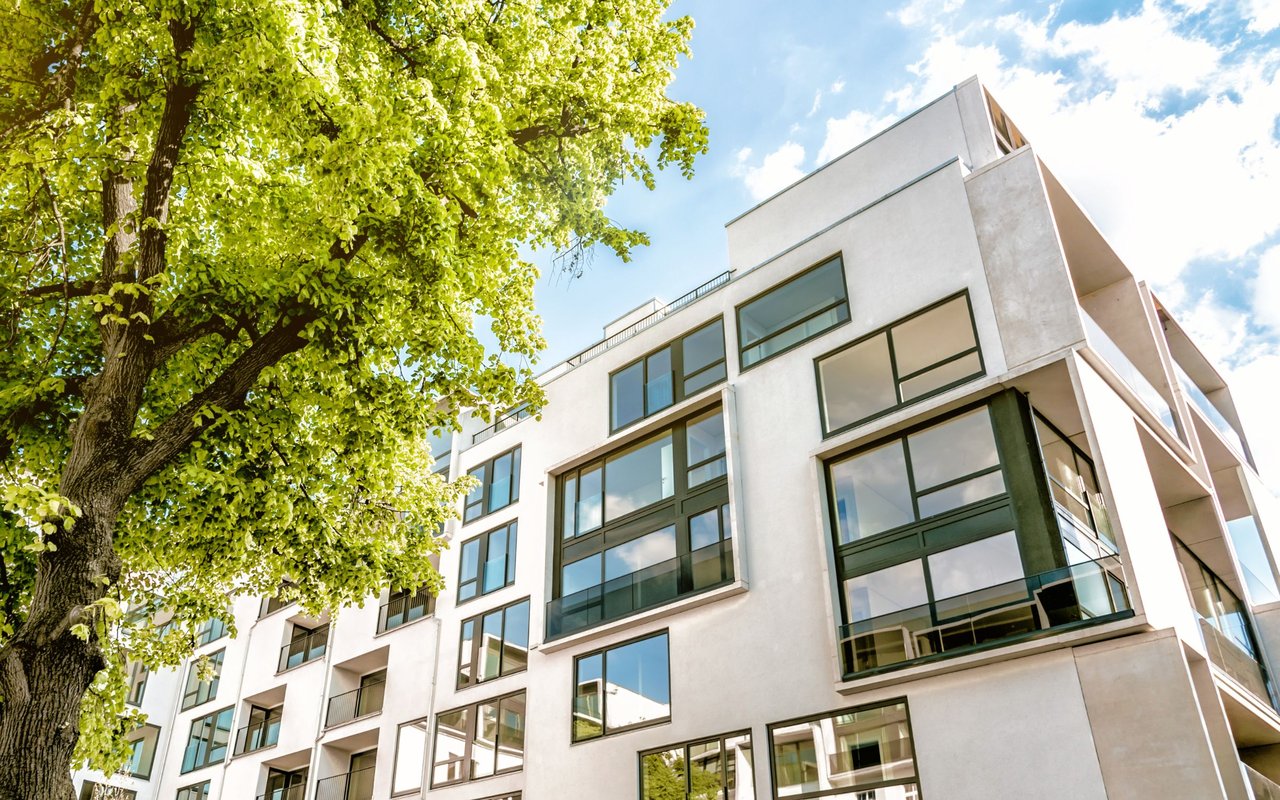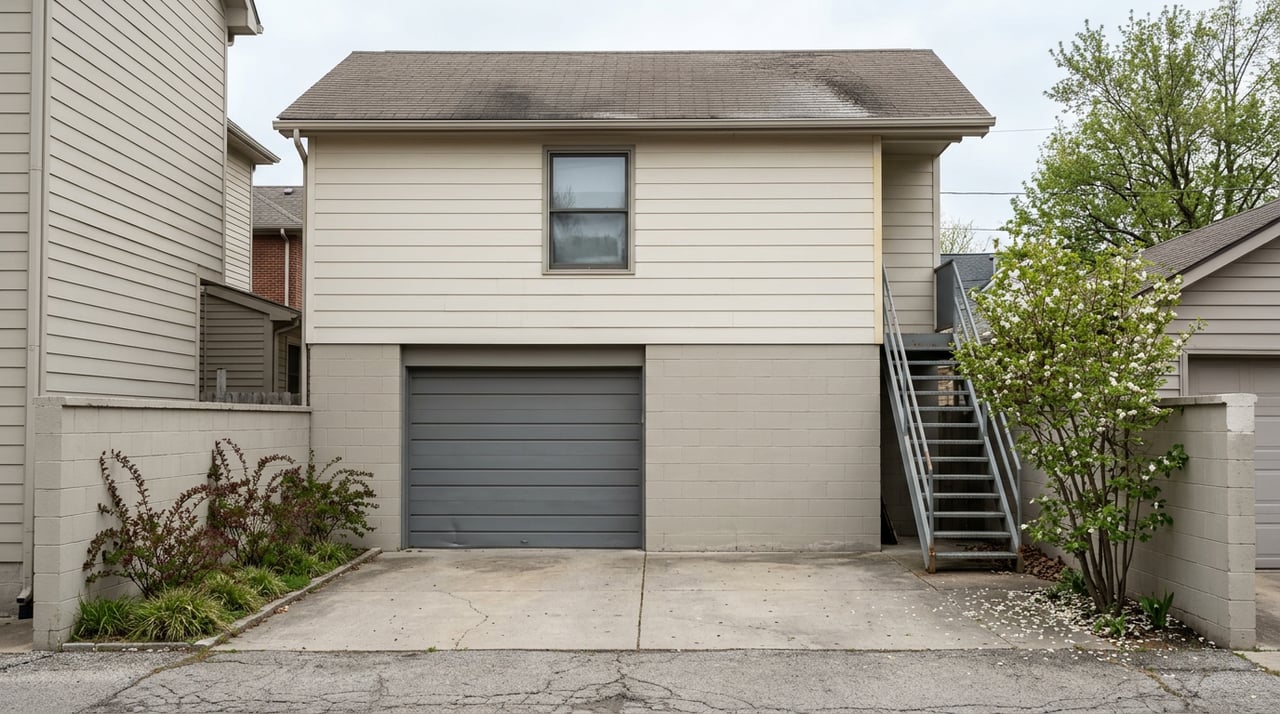
Picture two nearly identical single-family homes a few blocks apart on Chicago's Northwest Side. Same brick, same 1920s bones, same 25-foot lot. If both are in RS zones outside the pilot areas, one may qualify for an ADU where the local alderman has opted the area in, while the other may not where that opt-in has not been passed, according to the City of Chicago. Same city. Same ordinance. Two different answers.
That gap is the story behind Chicago's accessory dwelling unit expansion, and it matters to anyone comparing ADU potential across neighborhoods right now. If you're evaluating a two-flat, three-flat, or single-family lot with backyard space, the headline you've probably seen (Chicago legalized ADUs citywide) is true and also incomplete: eligibility depends on zoning, and single-family RS zones outside the pilot areas may require aldermanic opt-in.
What Actually Changed on April 1, 2026
According to Chicago Cityscape, Chicago City Council voted 46-0 on September 25, 2025 to approve ordinance SO2024-0008918, converting a three-year pilot program into a permanent citywide framework. The ordinance took effect April 1, 2026, the same day the city began accepting building permit applications for areas outside the original pilot zones. Mayor Brandon Johnson and Alderman Bennett Lawson, who led the push, marked the launch alongside Department of Housing Commissioner Lissette Castañeda, and the city reported more than 30 applications came in within the first 12 hours.
According to Abundant Housing Illinois, before this, ADUs (coach houses, basement conversions, attic units) were covered by a pilot in five areas covering roughly 12 percent of the city: North, Northwest, West, South, and Southeast. The new ordinance more than doubles the number of parcels eligible citywide. That's real progress for a city that had banned coach houses outright since 1957.
Here's where "citywide" gets complicated. The expansion works differently depending on zoning:
| Zoning type | ADU status as of April 2026 |
|---|---|
| RT (two-flat/townhouse) and RM (multi-family) districts | Allowed by right, without aldermanic approval, except in downtown zoning districts, according to Dwell |
| Original five pilot areas (RS zones included) | Continue under existing pilot rules |
| RS (single-family) zones outside the pilot areas | Allowed only if the local alderman has passed an opt-in ordinance for that block or ward |
| Downtown zoning districts | Excluded entirely |
At launch, 34 of the city's 50 wards had opted their single-family districts in. That's a meaningful majority, but it also means roughly a third of Chicago's aldermen hadn't.
Fifty Aldermen, Fifty Rulebooks
The ordinance gives individual council members real authority to shape how ADUs work on their own blocks, and they've used it in different ways.
The South, West, and Southeast pilot areas carry per-block permit limits even under the permanent program: one new ADU permit per block per year in RS-1 districts, two in RS-2, three in RS-3. The North and Northwest pilot areas have no such cap. Several of the pilot areas also require the owner to live on-site if the property has one to three units at the time the permit is issued, a rule that doesn't apply the same way to larger buildings.
Not every alderman wanted this flexibility. Southwest Side Alderman Marty Quinn argued that adding units too quickly could change the character of his ward's more suburban-feeling blocks, while Alderman Daniel La Spata, whose Northwest Side ward has been part of the pilot since the start, called the compromise version overly restrictive. Next City quoted La Spata asking:
"The question is, should land use and zoning be things that change from one side of the street to the other?"
That tension is baked into the ordinance itself. If you're comparing two properties in different wards, or even different precincts of the same ward, you cannot assume the zoning map you pull online tells the whole story. The map tells you the zoning district. It doesn't tell you what your specific alderman has decided to allow.
What the Numbers Actually Mean
Construction costs for a new coach house run from roughly $150,000 to $350,000 or more, generally $200 to $400 per square foot, with a typical 500 to 600 square foot unit landing between $175,000 and $250,000 all in. Separate utility connections can add another $15,000 to $40,000 on top of that. Garage conversions and interior units tend to run lower.
Rental income varies by neighborhood, generally landing somewhere between $1,200 and $2,200 or more per month depending on size, finish, and location, with North Side units typically commanding more than comparable units on the South and West Sides. Run the math on a modest example: a basement conversion that costs around $90,000 and rents for $1,400 a month generates close to $17,000 a year in gross rent, a return that's difficult to match anywhere else in Chicagoland real estate without taking on acquisition risk or a bidding war.
On the tax side, Cook County Assessor Fritz Kaegi has stated that building an ADU on one property will not raise assessments on neighboring properties that don't have one. According to Arete Renovators, homeowners who add a legal ADU may also qualify for the Home Improvement Exemption, which can shield a portion of the added value from reassessment for up to four years. It's worth confirming this exemption is actually applied once your unit is permitted.
One more limit to know before you get attached to a plan: according to General Construction Chicago, an existing building must be at least 20 years old to add an interior conversion unit, and owners can't build both a coach house and a conversion unit on the same property. You get to pick one.
Before You Write the Offer
If you're evaluating a property with ADU potential in mind, work through this before you factor the rental income into your offer:
- Check the ward, not just the zip code. Chicago's Department of Housing publishes an interactive eligibility map at chicago.gov/adu, and Chicago Cityscape maintains a property-level lookup tool that shows current opt-in status by address.
- Confirm the zoning district. Outside downtown zoning districts, RT and RM zones carry ADU rights by right. RS zones depend entirely on whether that block has been opted in.
- Ask about block-level caps. If the property sits in the South, West, or Southeast pilot area, find out how many permits that block has already used this year.
- Verify the building's age if you're planning an interior conversion rather than a coach house.
- Check owner-occupancy rules for your specific zone and unit count before assuming you can operate the property purely as a rental.
A homeowner in Chicago named Telang built a free tool called ADU Checker after struggling to find this information in one place for his own property. It's a useful starting point for a quick eligibility check, though it's worth confirming anything it shows against the city's own map before you commit to a purchase.
A Few Quick Answers
Does the ordinance treat two-flats and three-flats the same as single-family homes? No. Outside downtown zoning districts, RT and RM zoned buildings get ADU rights by right, regardless of the ward-level opt-in process that governs single-family RS zones.
Can short-term rentals help offset the construction cost? No. ADUs built under this ordinance are restricted to long-term housing use only.
Will adding an ADU raise my taxes, or my neighbors'? Your own assessment may reflect the added value, though the Home Improvement Exemption can shield part of that for up to four years. Cook County's assessor has stated that neighboring properties without an ADU won't see higher assessments as a result.
Chicago's ADU expansion is a real opportunity, and it's also a policy that rewards buyers who do their homework block by block rather than trusting a headline. If you're comparing properties across wards and want to know which ones actually pencil out once the fine print is accounted for, The NextGEN Group can walk the numbers with you before you write an offer. Work with us and we'll help you separate what the ordinance promises from what your specific address can actually deliver.
This article is general information, not legal, tax or financial advice. Consult a qualified professional about your situation.