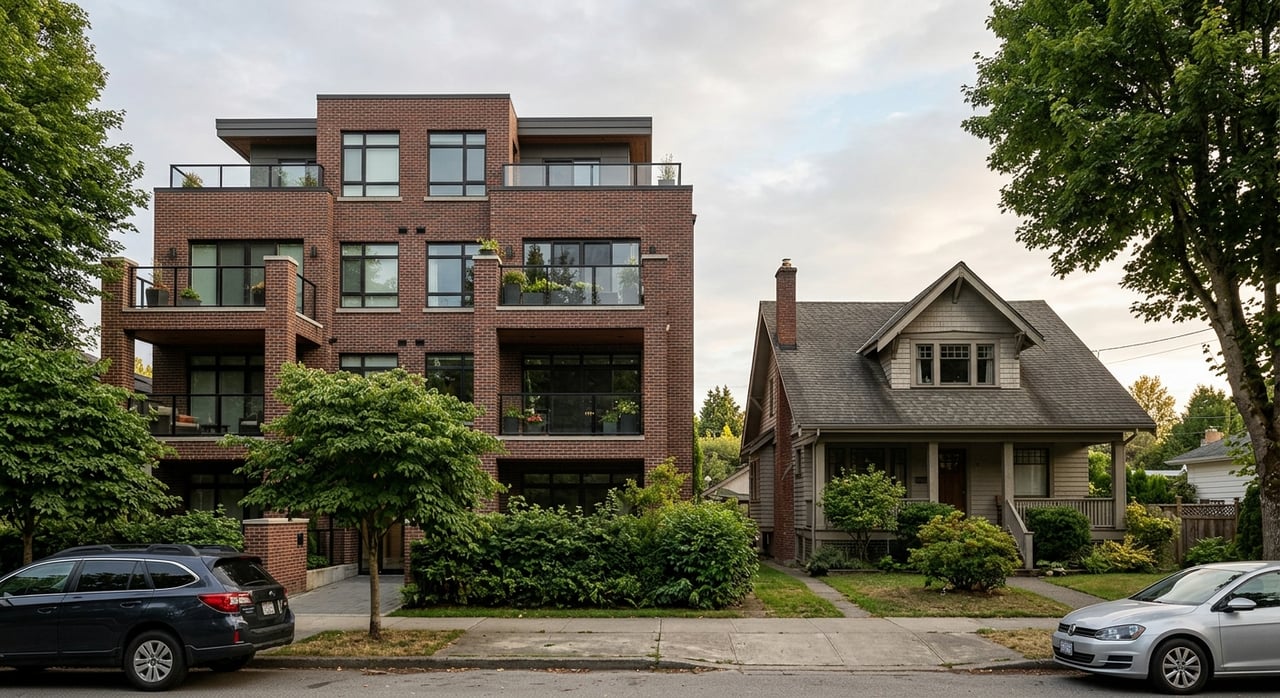
Trying to choose between a condo and a house in Chicago? You are not alone. For many buyers, this decision shapes not just your budget, but your daily routine, maintenance load, and the kind of neighborhood experience you want. If you are weighing convenience against control, or location against space, this guide will help you sort through the tradeoffs and decide what fits your goals. Let’s dive in.
Why this choice matters in Chicago
Chicago gives you more variety than many buyers expect. Depending on where you look, you may see high-rise condo buildings, single-family homes, two-flats, three-flats, and smaller multi-unit buildings all within the same broader metro area.
That variety is part of what makes the decision tricky. In Chicago, choosing between a condo and a house is often also a choice about maintenance style, ownership structure, monthly costs, and neighborhood housing patterns.
What you own with a condo
In Illinois, condo ownership usually means you own the interior of your unit while sharing ownership of common elements with the other owners in the building. Those common elements can include hallways, roofs, stairways, basements, parking areas, driveways, landscaping, and utility systems.
Some features may be considered limited common elements instead. These can include balconies, patios, terraces, and certain parking spaces. The condo association manages and maintains shared areas through its board and budget.
This setup can appeal to buyers who want less day-to-day responsibility for exterior upkeep. It also means some decisions and costs are shared, rather than handled by you alone.
What you own with a house
A house is usually more straightforward from an ownership standpoint. You own the property, and you are generally responsible for repairs, taxes, insurance, and ongoing maintenance.
That gives you more direct control over the property. It also means the financial responsibility for upkeep falls more directly on you, whether that is a roof repair, a plumbing issue, or routine yard work.
Chicago's middle option: multi-unit homes
Chicago also has many two-flats and three-flats, which can feel like a middle ground between a condo and a detached house. These properties are common in many city neighborhoods and can offer more space and more control than a condo.
They can also come with added complexity. If you are considering a multi-unit property, you may be balancing owner responsibilities, property upkeep, and possible income potential, depending on how you plan to use the property.
Compare monthly costs carefully
A lower listing price does not always mean a lower monthly cost. Whether you buy a condo or a house, your monthly housing budget may include mortgage principal and interest, property taxes, insurance, and other recurring costs.
With a condo, you also need to account for monthly assessments. These fees are usually paid separately from the mortgage and can range from a few hundred dollars per month to more than $1,000, depending on the building and its services.
With a house, you may not have condo dues, but you take on the full cost of maintenance and repairs yourself. That can make monthly costs less predictable, especially when larger issues come up.
How condo assessments work
In Illinois condos, assessments are not just optional extras. They help cover common expenses and reserve funds for future capital repairs and deferred maintenance.
That matters because condo costs can feel more predictable in some years, especially when reserves are healthy and the building is well managed. At the same time, assessments can increase, and special assessments may be charged if a building faces emergency repairs or legally required work.
If you are comparing condos, look beyond the list price. A lower-priced unit in a building with weak reserves or rising costs may not feel cheaper for long.
Insurance works differently
Insurance is another area where condos and houses differ in a practical way. In many condo buildings, the association carries master insurance for the common areas, while you still need insurance for your own unit.
With a house, you generally carry the full homeowners insurance policy yourself. Depending on the property, separate flood coverage may also be worth reviewing because standard homeowners insurance usually does not cover flood losses.
Financing may vary by property type
Your loan terms may also be affected by what you buy. Lenders can sometimes charge slightly more for a condo or a home with more than one unit.
That is why it helps to compare Loan Estimates closely and share HOA or condo information early in the process. Small differences in fees, taxes, and dues can change your real monthly cost more than you think.
Think about lifestyle, not just square footage
Your best fit is not only about price or size. It is also about how you want to live day to day.
A condo may fit you well if you want a more lock-and-leave routine, less exterior maintenance, and shared building services. A house may fit better if you want more privacy, more direct control, and the ability to manage outdoor space on your own terms.
In a city like Chicago, that lifestyle choice often lines up with the housing patterns you see in different areas. Some parts of the city are known for dense residential buildings, while others feature more single-family homes, two-flats, and smaller apartment buildings.
Do not overlook property taxes
Property taxes are a major part of your carrying costs in Chicago, no matter what type of property you buy. In Cook County, taxes depend on factors like assessment, exemptions, appeals, and local tax levies.
The county also reassesses properties on a triennial cycle. For Chicago, reassessment years include 2024 and 2027, which means a seller’s past tax bill may not tell the full story of what you could pay going forward.
When you compare a condo and a house, make sure you are comparing current and potential future tax costs, not just the number shown in an old listing sheet.
Questions to ask before buying a condo
If you are leaning condo, the building itself matters almost as much as the unit. You are not only buying walls and finishes. You are also buying into the association’s financial health and decision-making.
Ask questions like these:
- What are the current monthly assessments?
- How strong are the reserves?
- Are any special assessments pending?
- What do the declaration, bylaws, meeting minutes, and reserve study show?
- Are there rules about rentals, pets, parking, or exterior changes?
In Illinois, unit owners have rights to inspect important association records, including budgets, financial statements, and reserve studies. Those documents can give you a much clearer picture of whether the building is being managed well.
Questions to ask before buying a house
If you are leaning toward a house, your focus shifts to the property systems and the outside maintenance you will take on. The key question is not just whether the house looks good today, but what it may need next.
Ask about the age and condition of major items such as:
- Roof
- Windows
- HVAC
- Plumbing
- Electrical
- Masonry
You should also think through the weekly and seasonal work involved. Yard care, snow removal, exterior painting, and general upkeep can all add time and cost to homeownership.
A simple way to decide
If convenience and shared maintenance matter most, a condo may be the better fit. If privacy, control, and outdoor space matter most, a house may make more sense.
If you want more space and are comfortable with added complexity, a two-flat or three-flat may be worth considering too. Chicago has enough housing variety that there is rarely one perfect answer for everyone.
The right choice is the one that matches your budget, your schedule, and the kind of ownership experience you actually want. When you look at it that way, the decision often gets a lot clearer.
If you want help comparing condos, houses, or multi-unit options across Chicago, The NextGEN Group can help you weigh the numbers, the neighborhoods, and the day-to-day fit so you can move forward with confidence.
FAQs
What is the difference between owning a condo and owning a house in Chicago?
- With a condo, you typically own the interior of your unit and share ownership of common elements like hallways, roofs, and parking areas. With a house, you generally own the property and take direct responsibility for repairs, taxes, insurance, and maintenance.
Are condo assessments in Chicago optional?
- No. In Illinois condominiums, assessments help pay for common expenses and reserve funds, and special assessments may also be charged for emergencies or required work.
Is a condo or a house cheaper each month in Chicago?
- It depends. A condo may have a lower purchase price but still include monthly assessments, while a house may have no condo dues but can bring less predictable repair and maintenance costs.
What should Chicago buyers review before purchasing a condo?
- You should review the association’s assessments, reserves, budgets, financial statements, reserve study, meeting minutes, and rules related to rentals, pets, parking, and exterior changes.
Why should Chicago buyers pay close attention to property taxes?
- In Cook County, property taxes can change based on assessment, exemptions, appeals, and local tax levies, and Chicago properties are reassessed on a triennial cycle. That means an older tax bill may not reflect your future costs.
Are two-flats and three-flats a good alternative to condos or houses in Chicago?
- They can be. Multi-unit homes may offer more space and control than a condo, but they also come with added ownership and maintenance responsibilities.