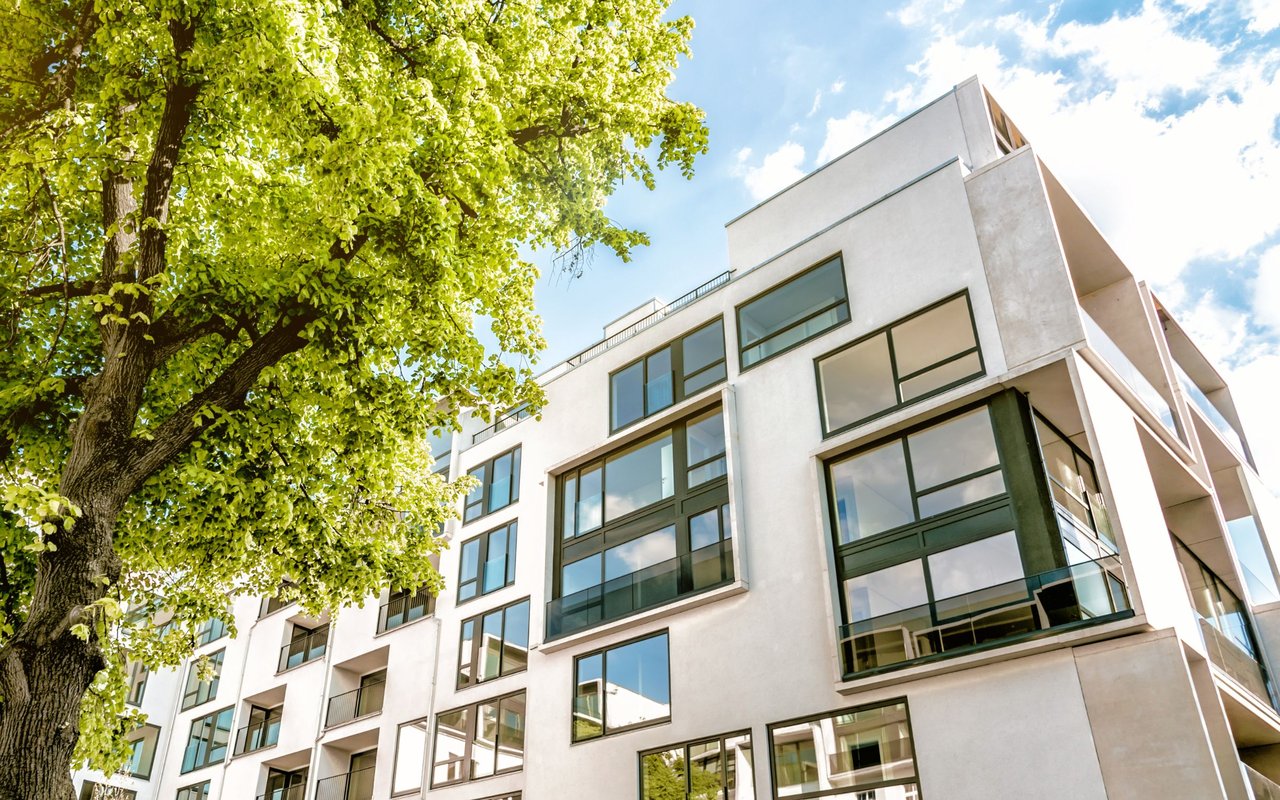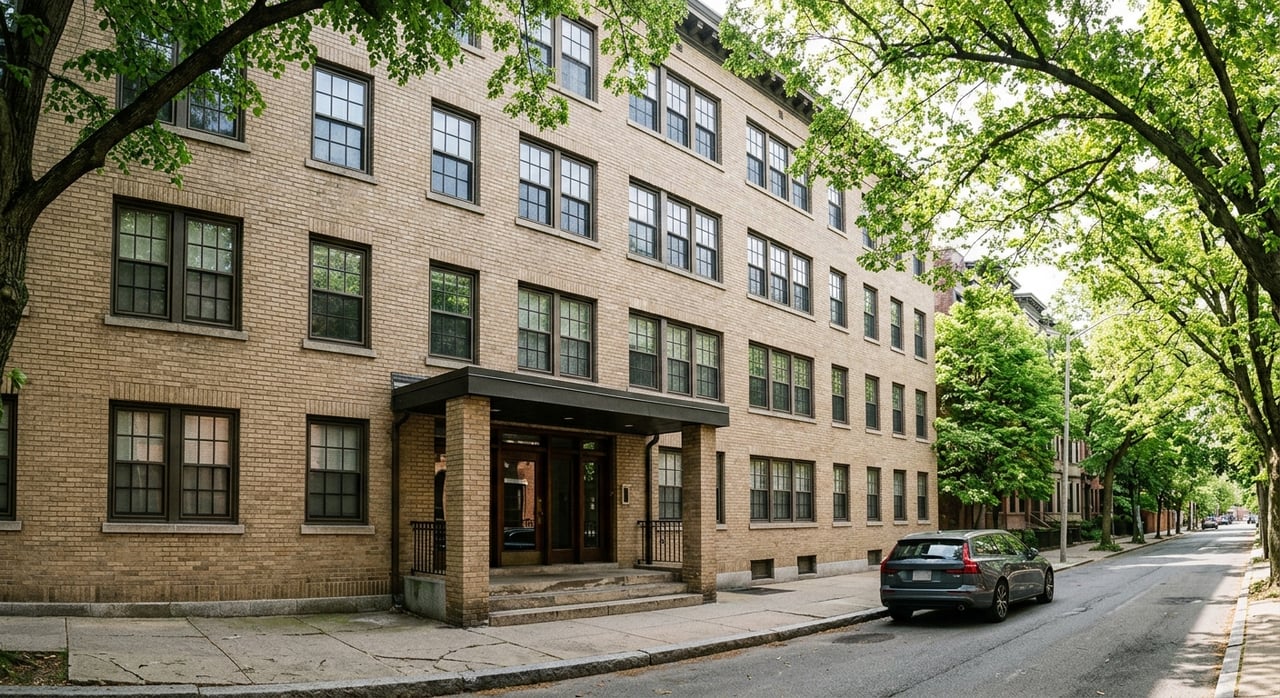
Moving to Chicago can feel exciting right up until you realize how many neighborhood names start flying at you. With 77 community areas and more than 200 neighborhoods, it is easy to go from curious to overwhelmed fast. The good news is you do not need to know the whole city at once. You just need a smart way to compare a few areas based on how you actually live. Let’s dive in.
Start With a Shortlist
When you are new to Chicago, the biggest mistake is trying to compare too many places at once. A better approach is to start with 3 to 5 neighborhoods and use the same filters for each one.
That matters because Chicago neighborhood names are helpful, but they are not the full story. Cook County’s Assessor notes that neighborhood analysis groups areas by similar housing types and sale prices, and local stakeholders help verify boundaries during reassessment. In plain terms, that means a neighborhood label is a starting point, while the block-by-block feel can vary.
Use the Same Criteria Every Time
If you want an apples-to-apples comparison, build a simple list and score each neighborhood the same way. Focus on the things that affect your daily life and monthly budget most.
Useful categories include:
- Commute and transit access
- Home prices and housing types
- Property taxes and monthly costs
- Parking and car needs
- Parks, beaches, and daily conveniences
- Block feel at different times of day
This keeps you from falling in love with a listing before you understand the area around it. It also helps you make a calmer, more confident decision.
Compare Commute First
Before you look at finishes, layouts, or curb appeal, look at your commute. For most buyers, access is the first hard filter because it affects your schedule every single day.
CTA operates 127 bus routes, eight rail routes, and 146 stations, with more than 1 million weekday rides. CTA also connects the city to O'Hare and Midway, and some routes offer Night Owl service late at night and early in the morning. Metra adds 243 stations on 11 routes across the six-county region, so your experience can look very different depending on whether a neighborhood is CTA-focused, Metra-friendly, or more car-dependent.
Questions to Ask About Transit
When comparing neighborhoods, ask:
- How long is the real door-to-door commute at rush hour?
- How many transfers do you need?
- Is airport access important for your work or lifestyle?
- Will the route still work if you travel early, late, or in bad weather?
A neighborhood can look great on paper but become frustrating if your commute adds stress every day. Try to test the route the way you would actually use it.
Match Housing Style to Your Budget
Chicago has one of the most varied housing stocks in the country, which is a major reason neighborhood comparisons can get tricky. The same budget can buy a very different type of home depending on where you look.
The Chicago Architecture Center highlights five housing styles that shaped the city: Chicago bungalow, courtyard apartments, high-rise, two-flat, and workers cottage. It also notes that two- and three-flats make up about a quarter of Chicago’s housing, with more than 76,000 two-unit apartment buildings citywide. Chicago also has more than 80,000 bungalows, roughly one-third of the city’s single-family housing stock.
That variety is part of what makes Chicago appealing. It also means you should compare neighborhoods by both price and property type, not just one or the other.
Look Beyond the Median Price
A citywide median sale price can help you get oriented, but it should not drive your entire search. Redfin reports a recent Chicago median sale price of $409K over the last three months, but that number is only a starting point.
Why? Because $409K might buy a condo in one area, a different building type in another, or a home with very different condition, space, or monthly costs elsewhere. Your budget should reflect what you want your day-to-day ownership experience to feel like, not just what gets you under contract.
Build an All-In Monthly Budget
As you compare neighborhoods, include these costs:
- Purchase price
- Property taxes
- HOA or condo assessments
- Parking costs
- Basic repairs and maintenance
- Renovation costs
- Moving expenses
This is where many first-time buyers get clarity. A lower purchase price does not always mean lower monthly ownership costs.
Understand Property Taxes in Cook County
Property taxes are a key part of comparing Chicago neighborhoods, especially if you are moving from another market. In Cook County, the assessor establishes property assessments, the clerk calculates tax rates, and the treasurer sends tax bills and distributes revenue.
Cook County also reassesses property on a triennial cycle. For owner-occupants, the homeowner exemption can reduce equalized assessed value by $10,000, and once you apply, it renews automatically.
That does not mean every home will carry the same tax burden, even at similar price points. It means you should review taxes as part of every neighborhood comparison, not as an afterthought.
Compare Lifestyle and Daily Convenience
Once commute and budget pass the test, it is time to compare how each area supports your day-to-day life. This is where neighborhoods that seem similar on paper can feel very different in person.
Choose Chicago highlights different strengths across the city. Lincoln Park is known for boutiques, museums, dining, a zoo, and waterfront access. Lakeview is noted for entertainment, shopping, and its lakefront location. Logan Square is recognized for nightlife, dining, breweries, and live music, while Hyde Park is known for museums, parks, and beaches.
Edgewater is noted for waterfront access, antique shopping, and theatre. Portage Park is highlighted for history, a vintage theatre, and green space. These details can help you think about fit, but they should be paired with your own real-world testing.
Ask What Is Walkable
Chicago’s park and lakefront system can shape daily life in a major way. The Chicago Park District manages more than 600 parks, 31 beaches, 50 nature areas, and 2 conservatories. The lakefront spans about 26 miles of shoreline, with 18 miles of trails and 29 beaches.
That means access to outdoor space may be a bigger part of neighborhood fit than many buyers expect. Instead of asking whether a neighborhood has amenities, ask whether the amenities you care about are practical from your front door.
Consider questions like:
- Can you walk to groceries, coffee, or errands?
- Do nearby parks or trails fit your routine?
- Would you actually use the beach, lakefront, or green space nearby?
- Is the streetscape comfortable for the way you like to get around?
Test the Neighborhood in Real Life
Online research is useful, but it is not enough. Once you have a shortlist, validate each neighborhood in person.
Choose Chicago says Chicago Greeter offers free neighborhood walks, and the Chicago Architecture Center offers walking, bus, and boat tours. These can help you notice details that listings and map searches miss, such as noise, traffic flow, building condition, parking patterns, and how the block feels at different times.
What to Notice on a Tour
As you visit, pay attention to:
- What the block feels like at 8 a.m., 5 p.m., and after dark
- Whether daily conveniences are within a short walk
- Whether the buildings, parking, and streetscape match your lifestyle
- Whether you would still choose the area after a full week of commuting and errands
If possible, visit more than once. A neighborhood that feels peaceful midday may feel very different during rush hour or at night.
A Simple Way to Compare Chicago Neighborhoods
If you are not sure how to organize everything, keep it simple. Make a chart for your top neighborhoods and rate each one from 1 to 5 in the categories that matter most to you.
You might include commute, housing type, monthly costs, parking, outdoor access, and overall feel. This gives you a clear side-by-side view and makes your decision less emotional when two areas both seem promising.
| Category | Neighborhood A | Neighborhood B | Neighborhood C |
|---|---|---|---|
| Commute | |||
| Housing fit | |||
| Monthly costs | |||
| Parking | |||
| Parks and outdoor access | |||
| Daily convenience | |||
| Overall block feel |
A system like this helps you spot tradeoffs quickly. One neighborhood may win on transit while another offers more space or lower monthly costs.
Focus on Fit, Not Hype
When you are new to the city, it is easy to get pulled toward the neighborhoods you hear about most. But the best neighborhood for you is not the one with the loudest buzz. It is the one that fits your routine, budget, and goals.
That is why a structured comparison matters. If you start with a shortlist, compare the same factors every time, and test your finalists in real life, you can make a strong decision without feeling like you need to know every corner of Chicago first.
If you want help narrowing down neighborhoods, comparing home types, or building a smarter search around your budget and commute, The NextGEN Group can guide you with local insight and a tech-enabled, people-first approach.
FAQs
How many Chicago neighborhoods should you compare at first?
- If you are new to Chicago, start with 3 to 5 neighborhoods so you can compare them clearly without getting overwhelmed.
What is the best first filter when comparing Chicago neighborhoods?
- Commute and transit access are usually the best first filters because they affect your daily routine and can quickly narrow your options.
Why is a Chicago neighborhood name not enough when buying a home?
- A neighborhood name is only a starting point because block-level feel, housing type, and pricing can vary within the same broader area.
What housing costs should you compare in Chicago besides the purchase price?
- You should compare property taxes, HOA or condo assessments, parking, maintenance, repairs, renovation costs, and moving expenses.
How can you test whether a Chicago neighborhood fits your lifestyle?
- Visit at different times of day, test the commute, walk to daily errands, and pay attention to noise, parking, building style, and outdoor access.