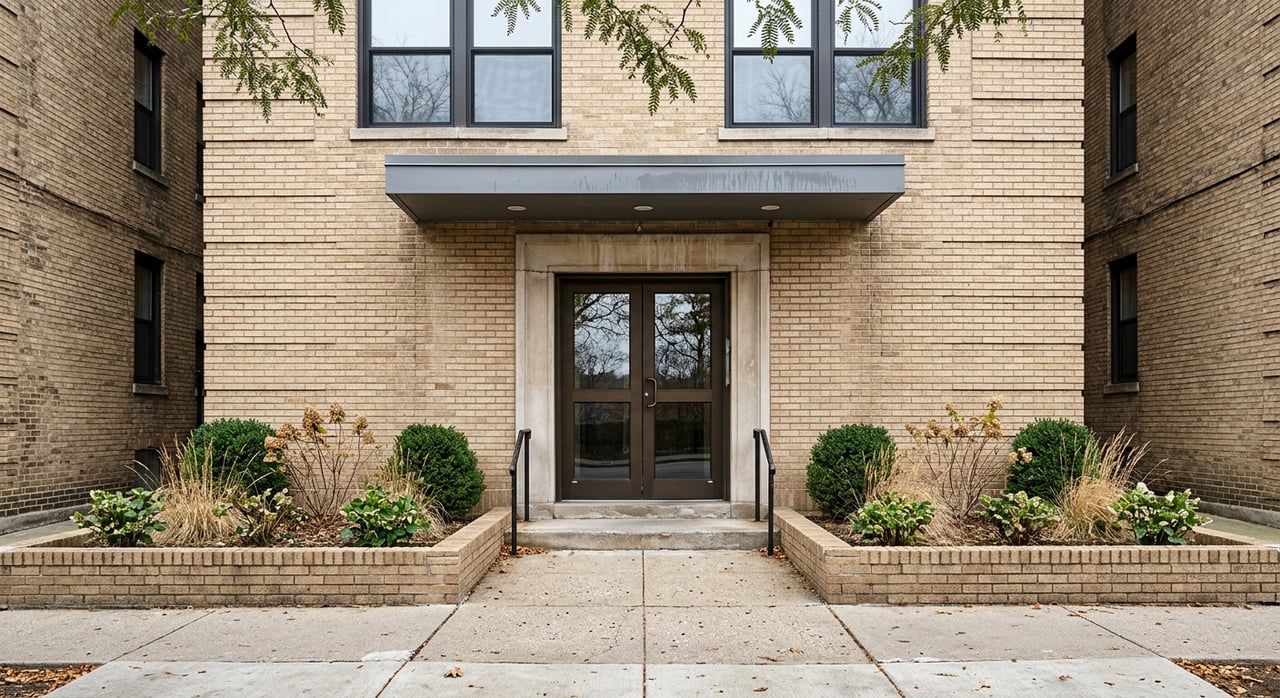
If you only get one chance to make a strong first impression, your Chicago listing starts long before the sign goes up. Buyers are scrolling fast, comparing homes side by side, and deciding in seconds which listings feel worth a visit. If you want your home to stand out, smart prep can help you attract attention early and set the tone for a smoother sale. Let’s dive in.
Why listing prep matters in Chicago
Chicago sellers are entering a market with limited inventory and steady pricing. In March 2026, the City of Chicago reported 1,766 closed sales, 2,981 homes for sale, a median price of $409,200, and 32 days on market until sale. Inventory was down 28.8% year over year, while median price was up 7.7%.
That kind of market can create opportunity, but it does not mean every home will shine on its own. When buyers have fewer options, homes that feel clean, cared for, and photo-ready can stand out faster. Good prep helps you make the most of that moment.
Start with clutter and personal items
Before you think about photos or showings, simplify the space. Buyers need room to focus on the home itself, not your décor, storage habits, or daily routines. A clean visual field helps rooms feel larger and easier to picture as their own.
According to the 2025 NAR staging report, 83% of buyers’ agents said staging makes it easier for buyers to visualize a home as a future residence. NAR also points to personal photos, overstuffed storage, visible dirt, and unfinished DIY projects as common showing turnoffs. That makes decluttering one of the most important first steps.
What to remove before listing
- Personal photos and highly specific décor
- Overflow items from counters and open shelves
- Excess furniture that makes rooms feel tight
- Seasonal items and extra cords or pet gear
- Half-finished repair or DIY materials
If you are not sure what feels too personal, think in terms of distraction. The goal is not to erase all warmth. It is to create a calm, neutral setting that lets buyers notice the space, light, and layout.
Deep clean every visible surface
A home does not need to be brand new to make a great impression. It does need to feel well maintained. Dirt, dust, and buildup can make buyers wonder what else has been overlooked.
Focus first on what will show up in photos and in person. Kitchens, bathrooms, floors, windows, trim, and light fixtures should all feel fresh and clean. Curb appeal matters too, because the exterior is the first thing buyers see before they ever walk inside.
Areas buyers notice fast
- Entryways and front steps
- Kitchen counters, appliances, and sink areas
- Bathroom tile, mirrors, and caulk lines
- Floors, baseboards, and corners
- Windows and natural light exposure
- Closets and storage spaces
In Chicago, where many homes include older finishes or compact layouts, cleanliness carries extra weight. A polished presentation can make a lived-in home feel more current and move-in ready.
Tackle small repairs before photos
Minor issues may seem easy to ignore when you live in the home every day. Buyers, however, tend to notice details quickly, especially in online photos and during showings. Small repairs can shape how they judge the overall condition of the property.
The most useful pre-listing work is often visible, low-cost work. Paint touch-ups, hardware replacement, caulk, minor carpentry, and exterior cleanup are all practical ways to improve how your home presents. These fixes help buyers focus on value instead of a running list of little concerns.
Low-cost fixes worth doing
- Patch nail holes or wall scuffs
- Repaint bold or worn areas in simple neutral tones
- Tighten loose handles, knobs, and hinges
- Replace burned-out bulbs
- Refresh old caulk in kitchens and baths
- Clean up landscaping, porches, and walkways
If your home was built before 1978, take extra care with any sanding or renovation work. Lead-safe handling matters because disturbing old paint can create hazardous dust, and most pre-1978 homes require lead-hazard disclosure before sale.
Stage the rooms that matter most
You do not need to stage every square foot to improve your listing. Focus on the spaces buyers care about most. NAR’s 2025 staging report identified the living room, primary bedroom, and kitchen as the most important rooms to stage.
These rooms often anchor the emotional side of a buyer’s decision. They help people imagine daily life in the home, from cooking and gathering to relaxing at the end of the day. Even light staging can make these spaces feel more intentional and functional.
Priority rooms for staging
Living room
Keep seating open and balanced so the room feels comfortable and easy to navigate. Remove extra side tables, oversized sectionals, or dark accessories that make the space feel crowded. If possible, highlight natural light and a clear focal point.
Primary bedroom
Aim for calm and simplicity. Clean bedding, minimal furniture, and open walking space can make the room feel larger and more restful. Avoid busy patterns or strong personal style choices that may distract from the room itself.
Kitchen
Clear counters as much as possible. Leave only a few practical or decorative items if they help the space feel polished. Buyers tend to look closely at kitchen condition, storage, and workflow, so every detail counts here.
If you are considering professional staging, NAR reported a median spend of $1,500 for a staging service. For many sellers, that can be a useful planning number when building a pre-listing budget.
Prepare your Chicago listing paperwork early
Presentation is only part of the job. In Chicago, sellers also benefit from getting key documents together before the listing goes live. Early paperwork can reduce delays, support smoother negotiations, and help you avoid last-minute stress.
Under Illinois’ Residential Real Property Disclosure Act, residential properties with one to four dwelling units, including condos and co-ops, generally require a disclosure report about material defects before contract signing. If a disclosure is delivered late and includes a material defect, the buyer may have a 5-business-day right to terminate.
Documents to gather early
- Illinois residential property disclosure materials, if applicable
- Records of repairs or updates
- Warranty information, if available
- Utility or building information you may need to answer buyer questions
- Lead-related disclosure materials for pre-1978 homes, if applicable
Treat these items as part of listing prep, not just closing prep. Buyers and their attorneys often move quickly once a home hits the market, so being organized from the start can help you stay ahead.
Condo sellers should request association documents now
If you are selling a condo in Chicago, start even earlier. Illinois law requires condo associations to provide specific documents after a written request, and they have 10 business days to furnish them. The association may also charge a fee.
That timing matters if you want your listing and contract process to stay on track. Waiting until you are already under contract can create unnecessary pressure, especially in buildings where multiple parties handle document requests.
Common condo documents to request
- Declaration, bylaws, and rules
- Unpaid assessment information
- Planned capital expenditure information
- Reserve status and financial statements
- Pending lawsuit information
- Insurance information
- Compliance statements for owner alterations
For Chicago condo sellers, this is one of the most overlooked parts of pre-listing prep. Getting it done early can save valuable time later.
Plan your photos before you launch
Your online debut is not the time to test whether the home is ready. NAR’s 2025 buyer and seller research found that 52% of buyers found the home they purchased online, and 81% rated listing photos as the most useful feature in their search. Nearly half said their search started online.
That means your digital presentation is often the first showing. NAR’s 2026 visibility guidance also notes that the first few days online carry outsized weight, so your home should be fully prepared before photos are taken and before the listing is published.
What strong listing visuals should do
- Show a clean, bright, accurate version of the home
- Highlight the home’s layout and best features
- Answer basic condition questions visually
- Encourage buyers to click, save, and schedule a showing
The lead photo matters, and so does photo order. Buyers often decide whether to keep looking based on those first few images.
Use a smart launch sequence
One of the biggest mistakes sellers make is going live too soon. If your home hits the market before it is fully ready, you risk using your strongest visibility window on an unfinished product. In a digital-first market, timing and presentation work together.
A better sequence is simple: finish prep, photograph the home, publish the listing across the right channels, and monitor early engagement. That workflow aligns with how buyers actually shop and how listings gain traction online.
A practical pre-listing checklist
- Declutter and depersonalize each room
- Deep clean the interior and exterior touchpoints
- Make minor repairs and refresh visible finishes
- Stage the living room, primary bedroom, and kitchen
- Gather required disclosures and property documents
- Request condo documents early, if applicable
- Take professional photos and video once the home is ready
- Launch with a complete, polished listing
A successful listing starts before day one
In today’s Chicago market, your home does not need to be perfect. It does need to feel prepared. Clean presentation, thoughtful staging, complete paperwork, and a polished launch can help you make the most of early buyer attention.
If you are thinking about selling, the best first step is a plan built around your home, your timeline, and your neighborhood. The team at The NextGEN Group can help you prepare your Chicago home for a strong, confident listing launch.
FAQs
What should Chicago sellers do first before listing a home?
- Start by decluttering and depersonalizing the home, then move into deep cleaning, small repairs, and staging the key rooms buyers notice most.
What rooms matter most when staging a Chicago home for sale?
- The living room, primary bedroom, and kitchen are the top rooms to prioritize based on the 2025 NAR staging report.
What disclosures are required when selling a home in Illinois?
- For many residential properties with one to four dwelling units, including condos and co-ops, Illinois requires a residential property disclosure report about material defects before contract signing.
What documents should Chicago condo sellers request before listing?
- Condo sellers should request association materials such as bylaws, rules, financial statements, reserve information, insurance information, unpaid assessment details, and planned capital expenditure information.
Why are listing photos so important for Chicago home sellers?
- Buyer behavior research shows that many buyers begin online, and 81% rated listing photos as the most useful feature in their home search.
When should you take photos of your Chicago home before listing?
- Photos should come after cleaning, repairs, decluttering, and staging so your listing launches with its strongest possible presentation from day one.