Thinking about buying a Chicago two-flat or three-flat? You are not alone. These classic small multi-unit buildings have long appealed to buyers who want a place to live and a way to offset housing costs with rental income. If you are curious about how they work, how financing works, and what to check before you buy, this guide will walk you through the basics so you can move forward with more confidence. Let’s dive in.
What a Chicago Two- or Three-Flat Is
Chicago two- and three-flats are one of the city’s signature housing types. According to the Chicago Architecture Center, they make up about a quarter of the city’s housing stock, which helps explain why they show up in so many neighborhoods across the city.
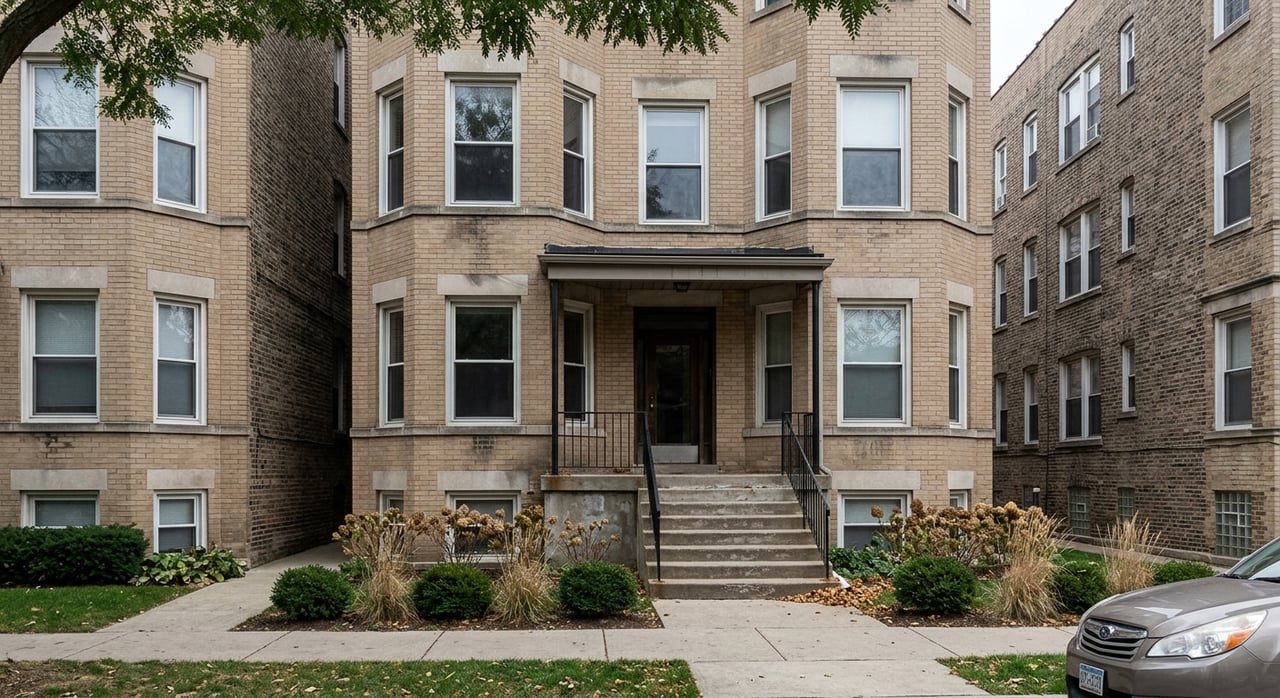
In simple terms, a two-flat usually has two separate homes stacked one above the other. A three-flat follows that same idea with a third unit added above. These buildings are often brick or greystone, but the term refers to the building type more than one exact style.
Many Chicago examples share familiar features like side entry porches, bay windows, and decorative cornices. Inside, the layout often repeats from floor to floor, with living and dining areas toward the front, bedrooms in the middle or rear, and the kitchen at the back. That consistency can make these properties easier to understand when you are comparing options.
Why Buyers Consider Them
For many buyers, the appeal is simple: you can live in one unit and rent out the other one or two units. Historically, these buildings were often used to help owners build wealth or reduce their monthly housing costs through rent, not just as stand-alone investment properties, as noted by the Chicago Bungalow Association.
That owner-occupant setup is often called house hacking, but the concept is straightforward even if you have never used that term before. You buy a small multi-unit property, live in one unit, and collect rent from the others. If the numbers work, that rent can help support your monthly payment and ownership costs.
Chicago’s rental market adds useful context here. The U.S. Census Bureau lists the city’s median gross rent at $1,440 for 2020 through 2024, and gross rent includes both contract rent and estimated monthly utility costs. In the broader Chicago-Naperville-Schaumburg market, HUD reported that properties with two to four units made up 26% of renter-occupied units, with average apartment rent at $1,838 and apartment vacancy at 4.6% in the first quarter of 2025, based on Census QuickFacts.
How Rental Income Factors In
If you plan to live in one unit, the biggest financial question is usually how much rent from the other units can help you qualify. According to Fannie Mae rental income guidance, rental income from the unit you will occupy generally cannot be used to qualify, but rent from the non-owner-occupied units in a two- to four-unit principal residence may be used if it is properly documented.
That means paperwork matters. Existing leases, reliable rent figures, and clear documentation can play a major role in whether a lender counts that income. If the seller cannot provide clean records, or if projected rent seems unrealistic for the area, that can affect your financing strategy.
It is also smart to think beyond the headline rent number. Older Chicago flats can come with expenses that reduce the real monthly benefit, including utilities, repairs, insurance, and periods of vacancy. A good analysis looks at the likely net support to your budget, not just the biggest rent estimate you can find.
Common Financing Options
FHA Loans for Owner-Occupants
FHA financing is often one of the most accessible starting points for buyers considering a two-flat or three-flat. HUD says its Section 203(b) program is available for one- to four-unit properties that will be used as a principal residence, with a minimum 3.5% down payment-equivalent investment for qualified borrowers.
To use FHA for this type of purchase, at least one borrower must occupy the property within 60 days and intend to live there for at least one year. Loan limits vary by unit count, so before you make an offer in Cook County, it is important to verify the current local limit through HUD’s lookup tools.
For three-flats, there is one extra wrinkle. HUD’s handbook says three- and four-unit properties must meet a self-sufficiency rental income test, meaning the projected rental income has to support the monthly housing payment under HUD’s formula. That can make reserve funds and realistic rent projections especially important if you are aiming for a three-flat.
Conventional Loans
Conventional financing is also a major option in Chicago. According to the FHFA 2026 county loan limit list, Cook County follows the baseline conforming limits of $1,066,250 for two-unit properties and $1,288,800 for three-unit properties.
Conventional loans can be a good fit if you have stronger credit, more cash reserves, or a purchase that falls comfortably within conforming limits. Fannie Mae also requires six months of reserves for two- to four-unit principal residence transactions under DU, so you should plan for more than just your down payment and closing costs.
VA Loans
If you are an eligible veteran, VA financing may also work for a two- or three-flat purchase. The VA purchase loan page says eligible borrowers can buy a property with up to four units, live in one of the units, and may qualify for no down payment.
VA loans can be a strong option for buyers who meet eligibility rules and want to preserve cash. Depending on your circumstances, a funding fee may apply, so it is worth reviewing the details early with a lender.
What to Check Before You Buy
Buying a Chicago two-flat or three-flat means evaluating it as both a home and a small income property. That makes due diligence especially important.
Verify Zoning and Unit Count
Start by confirming that the property’s zoning and legal unit count match how the building is being marketed. The City of Chicago’s zoning map allows you to search by address or PIN and review zoning and land-use information.
If a building is advertised as a three-unit property but city records tell a different story, that can affect financing, insurance, and your future plans for renting the units. This is one of the first items to review before you get too far into the process.
Review Permit History
Permit history can tell you a lot about the building. The city’s building permit system can help you review permit progress, corrections, and recent work, which is especially useful if the property has updated porches, basement spaces, dormers, or major rehab work.
If the building has had extensive renovations, you may also want to confirm the professionals involved. The city maintains a permit-professional lookup so buyers can check the status of architects, engineers, and related professionals tied to the work.
Plan for Lead Paint Due Diligence
Because many Chicago two- and three-flats were built before 1978, lead-based paint should be part of your standard review. The EPA’s lead paint guidance explains that sellers and landlords must disclose known lead hazards before sale or lease, and renovations that disturb lead paint in pre-1978 homes must be completed by lead-safe certified contractors.
This matters whether you plan light cosmetic updates or a larger renovation. If you are buying an older masonry building, ask questions early so you can budget and plan correctly.
Build the Right Team
The right professionals can make a big difference when you buy a two-flat or three-flat in Chicago. These properties usually involve more moving parts than a condo or single-family home, especially if you are relying on rental income to support the purchase.
Your team will often include:
- A lender experienced with owner-occupied two- to four-unit financing
- A home inspector familiar with older Chicago buildings
- A real estate attorney
- An insurance agent
- A property manager or CPA if you want help reviewing realistic operating expenses
If the building includes basement living space, structural changes, porch work, or larger rehab plans, it may also make sense to involve an architect or engineer early. That extra guidance can help you avoid surprises after closing.
A Smart Way to Think About the Purchase
The most successful buyers usually approach a Chicago two-flat or three-flat with both priorities in mind: it is your home, and it is also a small business decision. You want a property that fits your day-to-day life, but you also need realistic rent assumptions, a financing plan that matches your occupancy goals, and a clear understanding of the building’s condition and legal status.
That balanced mindset can help you ask better questions, compare properties more carefully, and avoid overestimating what the building will do for your budget. In a city where two- and three-flats are such a meaningful part of the housing stock, that kind of preparation can give you a real advantage.
If you are exploring Chicago two- and three-flats and want practical guidance tailored to your budget and goals, connect with The NextGEN Group. You will get local insight, responsive support, and a clear plan for finding the right fit.
FAQs
What is a Chicago two-flat or three-flat?
- A Chicago two-flat usually has two separate homes stacked in one building, while a three-flat adds a third unit above. According to the Chicago Architecture Center, this building type makes up about a quarter of the city’s housing stock.
Can you use rental income to qualify for a Chicago two-flat mortgage?
- Yes, in many cases you may be able to use rent from the non-owner-occupied units if you are buying a two- to four-unit property as your principal residence and the income is properly documented under lender guidelines.
Is FHA financing available for a Chicago three-flat?
- Yes, FHA financing can be used for one- to four-unit principal residences, but three-unit properties must also meet HUD’s self-sufficiency rental income test.
What should you verify before buying a Chicago multi-unit building?
- You should confirm zoning, legal unit count, permit history, building condition, and any lead paint disclosure issues, especially in older properties.
Do Chicago two-flats and three-flats work well for owner-occupants?
- They can, especially if you want to live in one unit and rent the others, but the decision works best when you evaluate realistic rent, operating costs, reserves, and the property’s legal and physical condition.