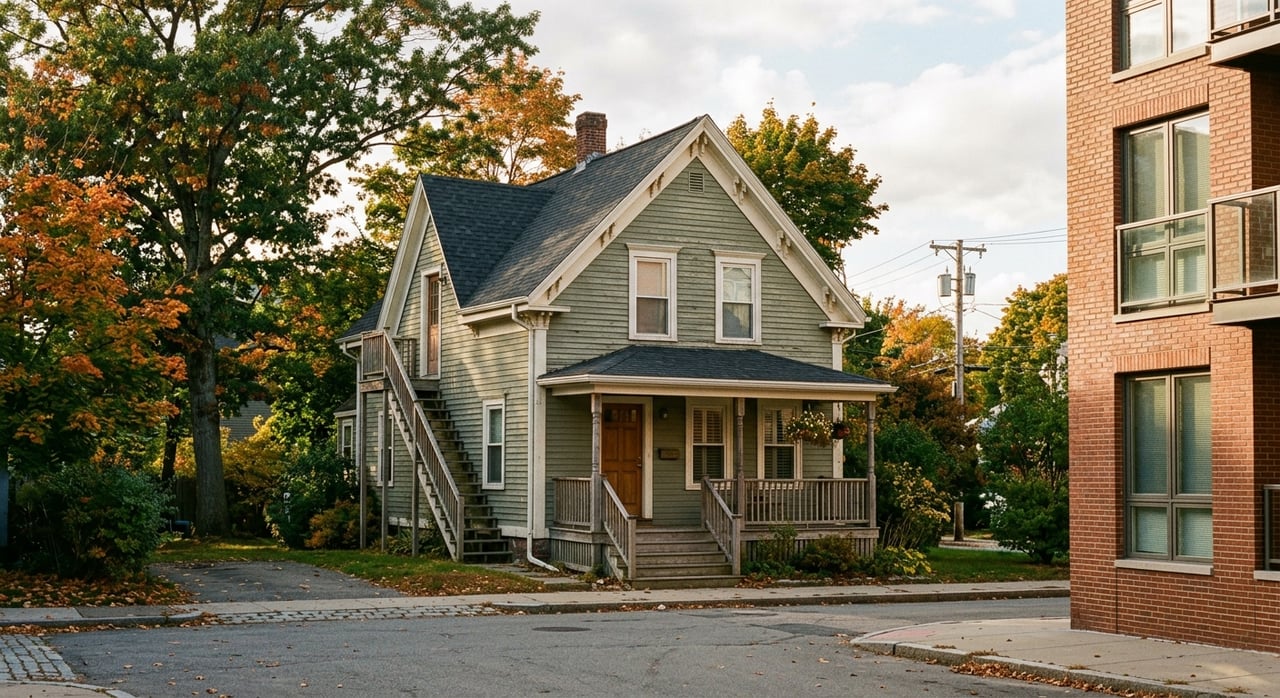
If you are house hunting in Chicago, one of the biggest choices you may face is not just where to buy, but what kind of home fits your life. In a city filled with classic bungalows, two-flats, older condo buildings, and newer construction, the right answer depends on your budget, priorities, and tolerance for upkeep. This guide will help you compare new construction and vintage homes in Chicago so you can move forward with more clarity and confidence. Let’s dive in.
Chicago Is Largely a Vintage Market
Chicago is a mature housing market, and older homes are a major part of the city’s identity. CMAP estimates that 38.8% of Chicago housing units were built before 1940, 28.7% were built between 1940 and 1969, and the city’s median year built is 1953.
That matters because if you are shopping in Chicago, you are very likely to encounter older housing stock. A vintage home here may have historic or architectural importance, but not every older home is formally historic or landmarked. Chicago also has a separate system for cataloging and reviewing certain older properties, especially those built before 1940.
What “Vintage” Often Means in Chicago
In Chicago, vintage homes often include recognizable local housing types like bungalows and two-flats. The Chicago Bungalow Association notes that bungalows were designed for all-on-one-floor living on narrow city lots, with private rooms on one side and public rooms on the other.
That layout still shapes how many older homes feel today. The same source says more than 80,000 bungalows still stand, making up nearly one-third of Chicago’s single-family housing stock. Two-flats are another familiar Chicago form, with stacked layouts that historically allowed an owner to live in one unit and rent the other.
New Construction vs Vintage Layouts
One of the clearest differences between new construction and vintage homes is layout. Newer homes and condos often feel more open and are typically built with a more modern energy envelope, including better glazing than many older homes.
Vintage homes can feel more segmented, with separate rooms, narrower lot-driven layouts, and more stairs depending on the property type. That does not always mean less functional. In many Chicago bungalows, unfinished attics were originally intended as future space that could be finished later as household needs changed.
When New Construction May Fit Better
New construction may be a better fit if you want:
- A more contemporary floor plan
- Newer windows and building systems
- Less immediate maintenance
- A more move-in-ready experience
- Predictability in early ownership costs
If your priority is simplicity, efficiency, and fewer near-term projects, a newer home may feel easier to manage.
When a Vintage Home May Fit Better
A vintage home may be a better fit if you value:
- Chicago architectural character
- Established housing styles like bungalows or two-flats
- Flexible layouts with expansion potential
- Multi-family living or owner-occupant rental potential in some property types
- A stronger connection to the city’s older housing fabric
For many buyers, vintage homes offer a mix of charm, usable space, and long-term adaptability that can be hard to replicate.
Energy Efficiency and Comfort
Efficiency is a major consideration when comparing old and new homes in Chicago. The U.S. Department of Energy notes that many older homes have less insulation than homes built today. It also notes that single glazing is common in older buildings, while newer efficient buildings typically use double or triple glazing.
For you as a buyer, that can affect comfort as much as cost. Drafts, heat loss, and uneven temperatures may show up more often in older homes unless upgrades have already been made.
What to Review in Older Homes
If you are considering a vintage Chicago home, pay close attention to:
- Insulation levels
- Air sealing
- Window condition and type
- Signs of deferred exterior maintenance
- Whether energy improvements have already been completed
DOE guidance also notes that window improvements, including low-e storm windows in some cases, can reduce heat loss, drafts, and energy costs. That means an older home is not automatically inefficient, but you should understand what has been improved and what may still need work.
Maintenance and Renovation Risk
Older homes often come with more maintenance responsibility. That does not mean you should avoid them, but it does mean you should budget for care and review inspection findings closely.
Chicago’s older housing stock can include aging roofs, windows, masonry, plumbing, and other systems that may need updates over time. A well-kept vintage home can be a great purchase, but deferred maintenance can quickly change your cost picture.
Lead-Safe Planning Matters
If the home was built before 1978, lead disclosure should be part of your due diligence. EPA says buyers and renters of most pre-1978 housing have a right to know whether lead-based paint hazards are present before signing a contract or lease.
This is especially important in Chicago’s older housing stock. EPA also says 87% of homes built before 1940 contain some lead-based paint, and renovation work can create dangerous lead dust if painted surfaces are disturbed.
If you are planning updates, make sure you ask questions early. Contractor selection and renovation planning matter much more when you are buying an older home with likely lead-related risk.
Landmark Status Can Affect Exterior Work
Some Chicago vintage homes are located in landmark districts or may be designated landmarks. If that applies to the property you are considering, exterior work is not simply a style choice.
Chicago’s Landmarks Commission reviews proposed alterations, demolition, and new construction affecting landmarks and landmark districts during permit review. The city also lists preservation incentives that can include reduced property tax assessments for rehabilitation, some building and zoning code exceptions, and permit fee waivers in certain cases.
Questions to Ask About Landmarked Property
Before you move forward, confirm:
- The home’s age
- Whether it is in a landmark district
- Whether it is individually designated
- Whether planned exterior changes would require review
- Whether any preservation incentives may apply
This step can save you time and help you understand both restrictions and opportunities before you buy.
Condos, Assessments, and Carrying Costs
If you are comparing newer and older condos or townhomes, monthly ownership costs deserve extra attention. In Chicago, older buildings may have more near-term repair needs tied to aging roofs, façades, windows, elevators, or plumbing stacks.
Under Illinois condo rules, annual budgets must spell out common expenses, repairs or capital expenditures, reserves, and anticipated assessments. Boards can also adopt special assessments for unplanned work, which is why reserve strength and assessment history matter so much.
What to Request for a Condo
Before making an offer on a condo, ask for:
- The current association budget
- Reserve information
- Recent special assessment history
- Planned capital projects
- Current monthly dues
This is one of the biggest practical differences between a newer and older condo building. A lower monthly payment on paper may not tell the full story if major building work is coming.
Property Taxes Are Separate From Monthly Dues
Chicago buyers also need to separate property tax assessments from condo or townhome association assessments. They are not the same thing, and both affect your monthly carrying cost.
The Cook County Assessor’s Office says residential property is assessed at 10% of fair market value, and the final tax bill depends on the assessment, tax rate, exemptions, and local levies. Whether you buy new construction or a vintage property, your true monthly cost includes mortgage, taxes, and where applicable, association dues or special assessments.
A Simple Way to Compare Your Options
When you are deciding between new construction and a vintage Chicago home, it helps to compare the same categories side by side.
| Category | New Construction | Vintage Home |
|---|---|---|
| Layout | Often more open and contemporary | Often more segmented or traditional |
| Efficiency | Typically stronger from day one | May need insulation or window upgrades |
| Maintenance | Usually lower at the start | Often higher due to age and wear |
| Character | Cleaner, newer finish | Distinct Chicago architecture and detail |
| Flexibility | Depends on design and building type | May include attic expansion or two-flat options |
| Due Diligence | Focus on build quality and costs | Focus on condition, lead, and possible landmark review |
How to Decide What Fits You Best
The best home is not always the newest one or the one with the most charm. It is the one that matches how you actually live, what you can comfortably maintain, and how long you plan to stay.
If you want convenience, efficiency, and fewer immediate projects, new construction may feel like the safer fit. If you want character, flexibility, and a classic Chicago home style, a vintage property may offer more of what you are looking for.
A smart decision usually comes down to asking better questions early. Review the home’s age, layout, maintenance history, carrying costs, and any limits on future work before you fall in love with the finishes alone.
Whether you are comparing a modern condo, a classic bungalow, or a two-flat with long-term potential, the right guidance can make the process much easier. If you want help weighing your options across Chicago neighborhoods, connect with The NextGEN Group for local insight and a more confident home search.
FAQs
What is considered a vintage home in Chicago?
- In Chicago, a vintage home usually means an older property, often from the city’s large pre-1940 or mid-century housing stock. It may have architectural character without being formally landmarked or historically designated.
Are Chicago bungalows still common in today’s market?
- Yes. The Chicago Bungalow Association says more than 80,000 bungalows still stand, and they make up nearly one-third of the city’s single-family housing stock.
Is new construction in Chicago usually more energy efficient than vintage homes?
- In many cases, yes. Newer homes typically have a more modern energy envelope, while older homes may have less insulation and older window systems unless they have been upgraded.
What should you check before buying a vintage Chicago home?
- You should review the home’s age, inspection findings, insulation, windows, air sealing, maintenance history, lead disclosure status for pre-1978 homes, and whether the property is in a landmark district.
Why do condo assessments matter when comparing older and newer Chicago buildings?
- Assessments help cover building expenses, reserves, and repairs. In older buildings, aging systems and deferred maintenance can increase the risk of higher dues or special assessments.
Can a Chicago landmark property limit renovation plans?
- Yes. If a home is a designated landmark or located in a landmark district, certain exterior work may require review by Chicago’s Landmarks Commission as part of the permit process.