If you picture outdoor living as a big suburban backyard, Chicago might surprise you. In this city, outdoor life often starts with what is outside your building, not just behind it. Whether you are buying, selling, or planning your next move, understanding how parks, patios, balconies, porches, and backyards fit into Chicago living can help you make a smarter decision. Let’s dive in.
Chicago outdoor living starts with public space
Chicago’s outdoor lifestyle is shaped by the scale of its public spaces. According to the Chicago Park District, the city has more than 8,800 acres of green space, more than 600 parks, 26 miles of lakefront, 31 beaches, 50 nature areas, and 2 conservatories.
That matters when you think about what “outdoor living” really means here. In many Chicago neighborhoods, your day-to-day outdoor experience may include nearby trails, beaches, parks, and cultural events just as much as a private patio or yard.
The city also supports outdoor use in a big way. The Chicago Park District highlights more than 1,000 cultural events each year, along with thousands of sports, physical activities, and environmental programs for youth, adults, and seniors.
Lakefront access shapes daily lifestyle
Chicago’s shoreline is one of the clearest examples of how outdoor living works in the city. The Lakefront Trail is an 18-mile paved route that runs from Ardmore on the North Side to 71st Street on the South Side.
The trail passes neighborhoods including Edgewater, Uptown, Lakeview, Lincoln Park, South Loop, Bronzeville, and Hyde Park. If you live near that corridor, even a smaller private outdoor setup can still feel like part of a larger outdoor lifestyle.
Beach access adds another layer. The Chicago Park District says beach season runs from the Friday before Memorial Day through Labor Day, with lifeguards on duty daily from 11 a.m. to 7 p.m., and admission is free.
For many buyers and renters, that means home shopping is not only about square footage. It is also about how easily you can get to the lake, a walking path, or a place to spend a summer afternoon.
The 606 adds west side outdoor appeal
Outdoor living is not only a lakefront story. The 606 gives many west side areas a different kind of outdoor access, with a 2.7-mile linear park, 12 access points, and 17 ramps.
It is open daily from 6 a.m. to 11 p.m., which makes it a useful part of everyday life for walks, bike rides, and casual outdoor time. For buyers comparing neighborhoods, this kind of nearby access can change how a home feels beyond its lot size.
A condo or apartment without a large yard may still offer a strong outdoor lifestyle if the surrounding area gives you easy ways to get outside. In Chicago, that tradeoff is common and often worth thinking through carefully.
Outdoor space looks different by home type
One of the most important things to know about Chicago real estate is that outdoor living varies a lot by property type. The right fit depends on how you actually want to use the space.
Condos and high-rises
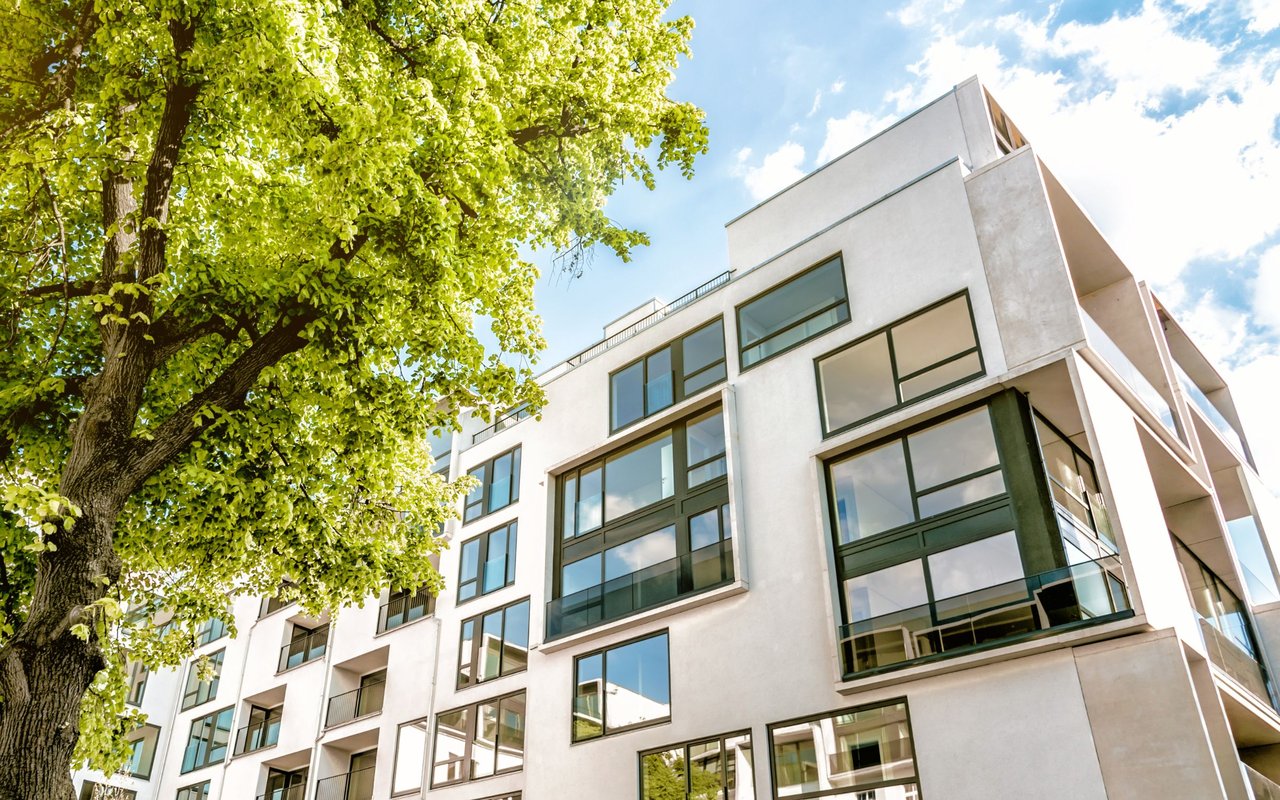
For condos and high-rises, outdoor living often means a smaller private footprint. You may have a balcony, terrace, or shared amenity space rather than a large private yard.
In these homes, location can carry a lot of weight. A modest balcony may feel much more useful when you are close to a park, trail, beach, or active patio scene.
Multi-flats and two-to four-flats
In multi-flats, two-flats, and four-flats, outdoor space often shows up as porches, small rear yards, or semi-private areas. These properties can offer more breathing room than a high-rise setup, while still keeping you in a dense city block.
This housing type can be appealing if you want a little more room for plants, seating, or outdoor storage. The exact setup can vary a lot from one building to the next, so it helps to look closely during tours.
Single-family homes
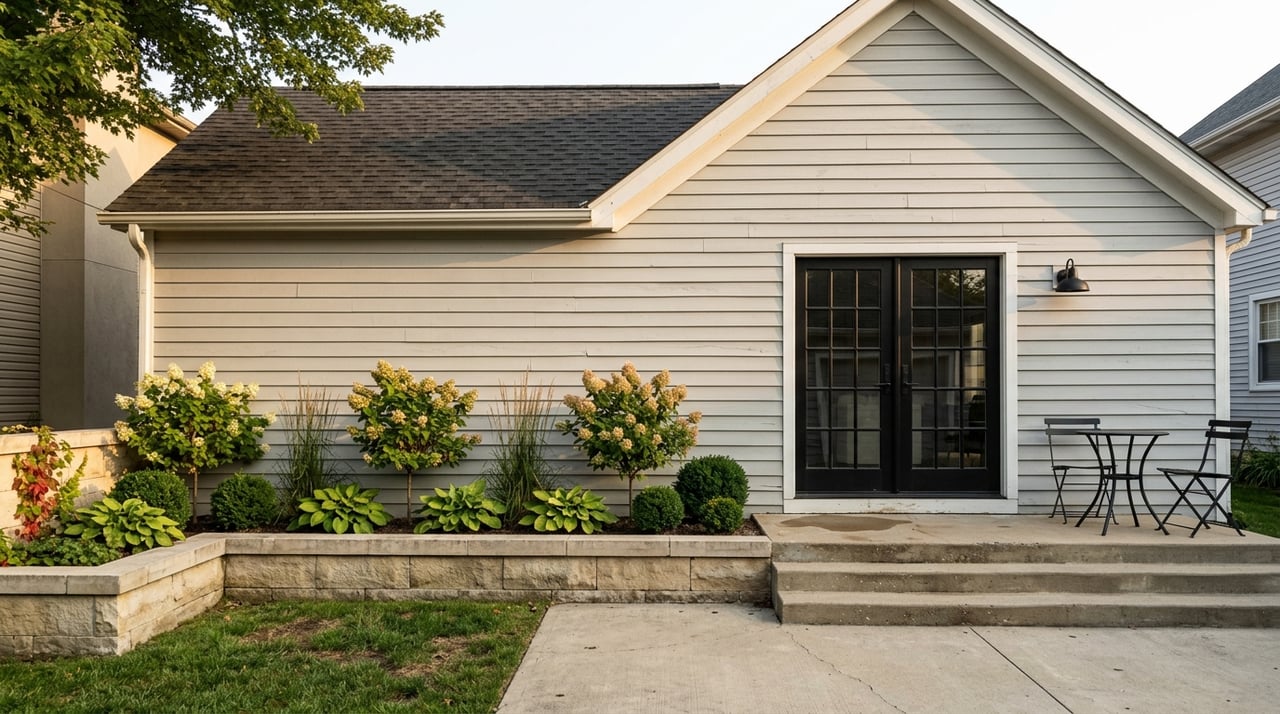
Single-family homes usually offer the most backyard potential in Chicago. You may have more flexibility for patios, gardens, play space, pets, or outdoor dining.
That does not always mean the yard is huge. But compared with many condo and multi-unit options, single-family homes generally give you the best chance for a more private outdoor setup.
Neighborhood context matters as much as square footage
In Chicago, outdoor living is often about the full neighborhood experience. A home’s outdoor value does not stop at the property line.
Lakefront neighborhoods such as Edgewater, Uptown, Lakeview, Lincoln Park, South Loop, Bronzeville, and Hyde Park offer easy access to the city’s shoreline corridor. Other areas known for outdoor dining and patio activity include Logan Square, West Town, Lakeview, Pilsen, the Riverwalk, and lakefront beachfront spots.
That means a smaller condo can still support the lifestyle you want if the area around it makes getting outside easy and enjoyable. When you are comparing homes, think about the block, the route to the park, and the feel of the neighborhood just as much as the balcony size.
What buyers should look for
When you tour a home in Chicago, it helps to go beyond the words “outdoor space” in the listing. Not all outdoor areas function the same way.
Ask practical questions like these:
- Is the outdoor space private, semi-private, or shared?
- Is there enough room for real seating or dining furniture?
- Is storage nearby for bikes, strollers, planters, or outdoor gear?
- Are there building or association rules for grills, furniture, or gatherings?
- How does the outdoor area connect to the interior living space?
These details can make a big difference in how often you use the space. A small area that works well may serve you better than a larger one with awkward access or heavy restrictions.
What sellers should highlight
If you are selling, outdoor space can be a stronger feature than you think. In a city where public outdoor access is already part of daily life, even a modest balcony, patio, or porch can stand out when it feels usable.
The best listing presentation usually shows function, not just appearance. Instead of leaving the area empty, it helps to define how the space works.
Consider simple staging ideas like:
- Add seating that fits the scale of the space
- Create a clear dining or lounging zone
- Show how the outdoor area connects to the kitchen, living room, or family room
- Keep the space clean and uncluttered so buyers can picture themselves using it
The goal is to help buyers imagine a real routine there. Morning coffee, container gardening, evening meals, or a spot to unwind after work can all make the feature feel more valuable.
Backyard projects require city review
If you are thinking about improving outdoor space, it is important to know that Chicago treats many exterior projects as formal review items. City permit review materials specifically include building additions, rooftop additions, dormers, porches, decks, and roof decks.
That means outdoor upgrades are not just design decisions. They can also affect compliance, timeline, and budget.
Before starting a project, confirm permit history and review current city requirements. Chicago also provides an online permit portal where applicants can track building permit reviews.
For buyers, this matters when evaluating a home with a newer deck, porch, or roof-level feature. For sellers, it is a good reminder to organize any records related to completed work before listing.
How to think about backyard potential
In Chicago, “backyard potential” does not always mean a giant lawn. Often, it means asking whether a space can realistically support the way you want to live.
You might want room for container gardening, a grill where allowed, outdoor dining, pet space, or a place to relax with friends. The best setup depends on your goals, your home type, and how much of your outdoor routine happens at home versus around the neighborhood.
That is why context matters so much here. A home with a compact outdoor footprint may still be a great fit if it sits near the lakefront, a major park, or a trail you will use all the time.
Why this matters for your next move
Outdoor living in Chicago is rarely one-size-fits-all. Some buyers want a backyard they can shape over time, while others care more about a balcony plus fast access to parks, patios, and the lake.
The key is knowing how to evaluate outdoor value in a city where public space plays such a large role. When you look at both the property and the neighborhood around it, you can make a more confident move.
If you are buying, selling, or upsizing in Chicago and want help weighing outdoor features against location, layout, and long-term potential, connect with The NextGEN Group. We bring local neighborhood insight and practical guidance to every step of your move.
FAQs
What does outdoor living in Chicago usually mean for condo buyers?
- For condo buyers in Chicago, outdoor living often means a smaller private space like a balcony paired with access to nearby parks, trails, beaches, or shared building amenities.
What should Chicago home buyers ask about backyard or patio space?
- Chicago home buyers should ask whether the outdoor area is private or shared, whether it fits real furniture, whether storage is nearby, and whether any building or association rules affect how the space can be used.
What types of Chicago homes usually have the most backyard potential?
- Single-family homes in Chicago usually offer the most backyard potential because they often provide more room for patios, gardens, play space, pets, and outdoor dining.
What outdoor projects in Chicago may require permit review?
- In Chicago, projects such as porches, decks, roof decks, rooftop additions, dormers, and building additions are included in the city’s permit review materials.
Why does neighborhood location matter for outdoor living in Chicago?
- Neighborhood location matters because access to places like the Lakefront Trail, The 606, beaches, parks, and patio corridors can make a home feel much more outdoor-friendly even if its private outdoor space is modest.